How to Reduce Humidity in Your Home (UK Guide)
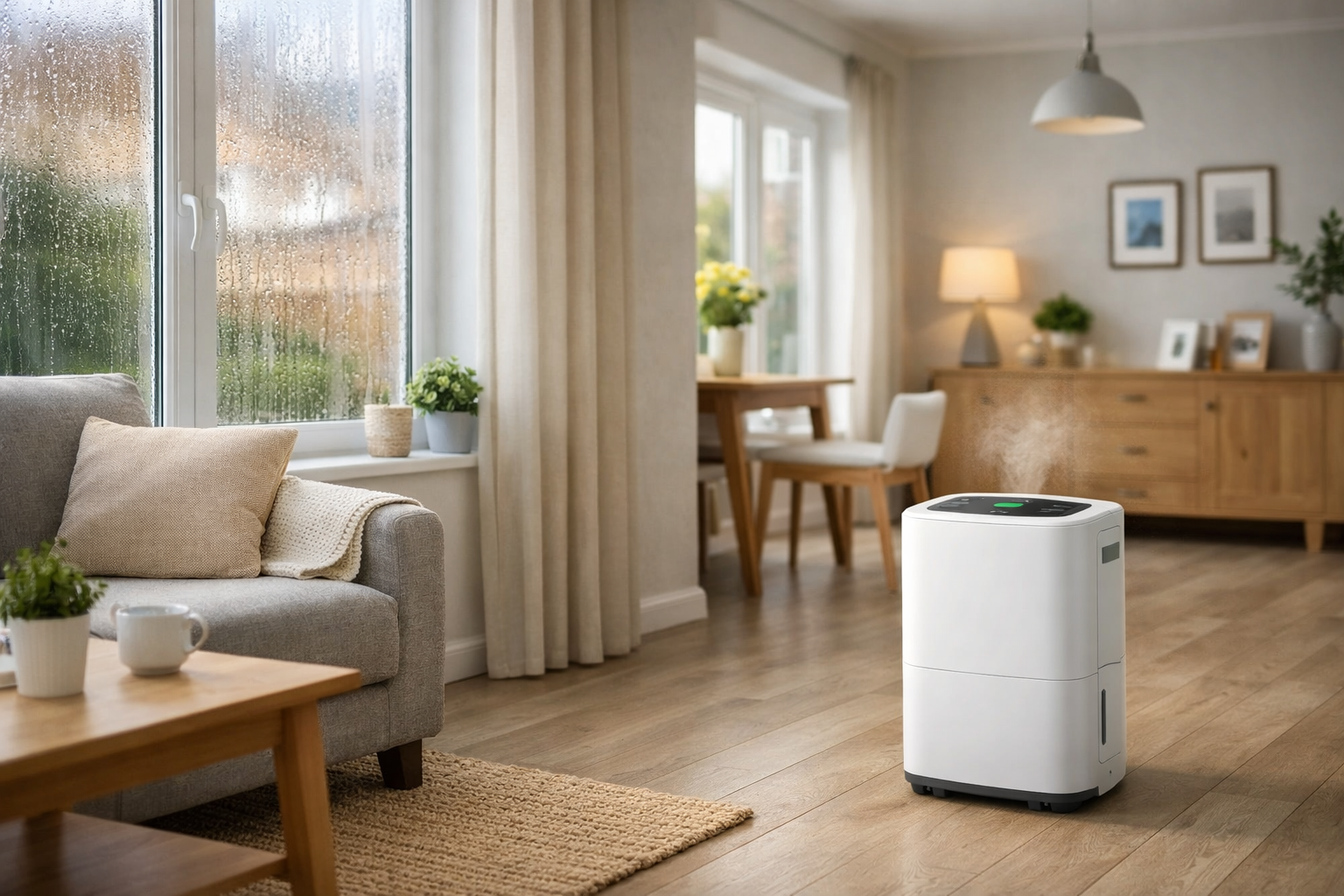
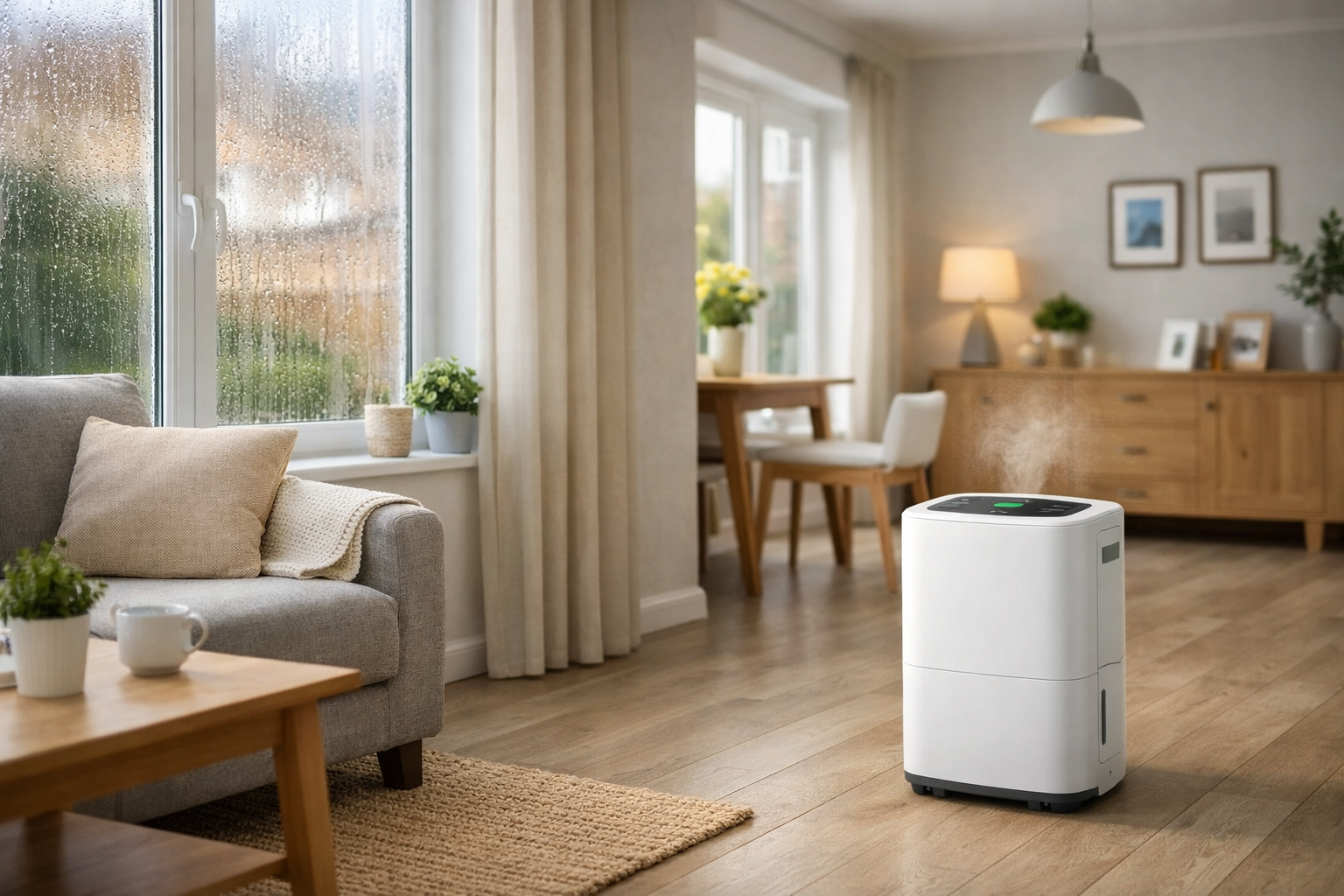
High humidity is one of the most common household issues in the UK — especially in older homes, flats with limited ventilation, and properties built with airtight insulation. Excess moisture doesn’t just make your home feel clammy; it can lead to mould, condensation, dust mites, damp smells, and even long‑term structural damage.
The good news? You can dramatically reduce humidity with a mix of smart habits, low‑cost fixes, and the right appliances. This friendly, expert guide walks you through everything you need to know — plus a comparison of the best products to help you keep moisture under control.
Whether you're dealing with persistent condensation on windows, damp bedrooms, or a musty bathroom, this guide will help you take back control of your home’s air quality.
What Causes High Humidity in UK Homes?
Humidity builds up when warm, moist air has nowhere to escape. In the UK, this is especially common because:
- Homes are built to retain heat — great for energy bills, not great for ventilation.
- Cold weather encourages window‑shutting, trapping moisture inside.
- Daily activities like cooking, showering, and drying clothes indoors release litres of water into the air.
- Basements and ground floors often suffer from rising damp.
Before you can fix humidity, it helps to understand where it’s coming from. Once you know the source, you can choose the right solution — whether that’s better airflow, moisture‑absorbing products, or a powerful dehumidifier.
How to Reduce Humidity in Your Home: Practical UK Tips
1. Improve Ventilation
Ventilation is the simplest and most effective way to reduce humidity. Try:
- Opening windows for 10–15 minutes each morning.
- Using trickle vents if your windows have them.
- Running extractor fans during and after cooking or showering.
- Keeping internal doors open to improve airflow.
If your extractor fans are weak or noisy, upgrading them can make a huge difference.
2. Use a Dehumidifier
A dehumidifier is the most reliable way to reduce moisture quickly. Modern units are energy‑efficient, quiet, and ideal for UK homes. They’re especially useful for:
- Condensation on windows
- Damp bedrooms
- Drying laundry indoors
- Basements and ground floors
Below is a comparison of the most popular models in the UK.
Best Products to Reduce Humidity in Your Home
| Model | Main Features | Pros | Cons |
|---|---|---|---|
| MeacoDry Arete One 20L | 20L extraction, ultra‑quiet, laundry mode, HEPA filter | Energy‑efficient, excellent for UK homes, great for drying clothes | Higher upfront cost |
| Pro Breeze 12L Dehumidifier | 12L extraction, compact, digital display, timer | Affordable, lightweight, ideal for flats | Not as powerful for large homes |
| Ebac 15L Dehumidifier | 15L extraction, British‑made, Smart Control technology | Designed for UK climate, very reliable | More expensive than similar models |
These three models are consistently rated among the best for UK humidity control. If you want a premium, long‑lasting option, the MeacoDry Arete One is hard to beat.
3. Reduce Moisture at the Source
Dry Clothes Outdoors (When Possible)
Drying clothes indoors releases up to 2 litres of moisture per load. If you must dry indoors, use a dehumidifier in laundry mode.
Use Lids When Cooking
Boiling water is a major source of humidity. Keeping lids on pans can reduce moisture by up to 70%.
Take Shorter, Cooler Showers
Hot showers create steam that spreads through the home. A bathroom dehumidifier or extractor fan helps massively.
4. Fix Structural Issues
Check for Leaks
Even a small leak can raise humidity levels. Inspect:
- Under sinks
- Radiators
- Roof tiles
- Guttering
Improve Insulation
Cold walls attract condensation. Insulating problem areas can reduce moisture buildup.
5. Use Moisture Absorbers
For small spaces like wardrobes, cupboards, or caravans, moisture absorbers are a cheap and effective option.
However, they won’t replace a proper dehumidifier for whole‑home humidity control.
How to Measure Humidity in Your Home
A simple digital hygrometer can tell you exactly what’s going on. Ideal humidity is between 40% and 60%. Anything above 65% can lead to mould growth.
Many modern dehumidifiers include built‑in humidity sensors, making it easy to monitor levels automatically.
When Should You Worry About Humidity?
Signs you need to take action include:
- Condensation on windows every morning
- Mould on walls or ceilings
- Musty smells
- Peeling wallpaper
- Clothes taking too long to dry
If you notice any of these, a dehumidifier is often the quickest fix.
Final Thoughts
Reducing humidity in your home doesn’t have to be complicated. With better ventilation, smart habits, and the right appliances, you can create a healthier, more comfortable living environment.
If you’re ready to tackle humidity head‑on, a high‑quality dehumidifier like the MeacoDry Arete One is one of the most effective tools you can invest in.