Electric Toothbrush vs Manual Toothbrush: What’s Better for Your Oral Health?
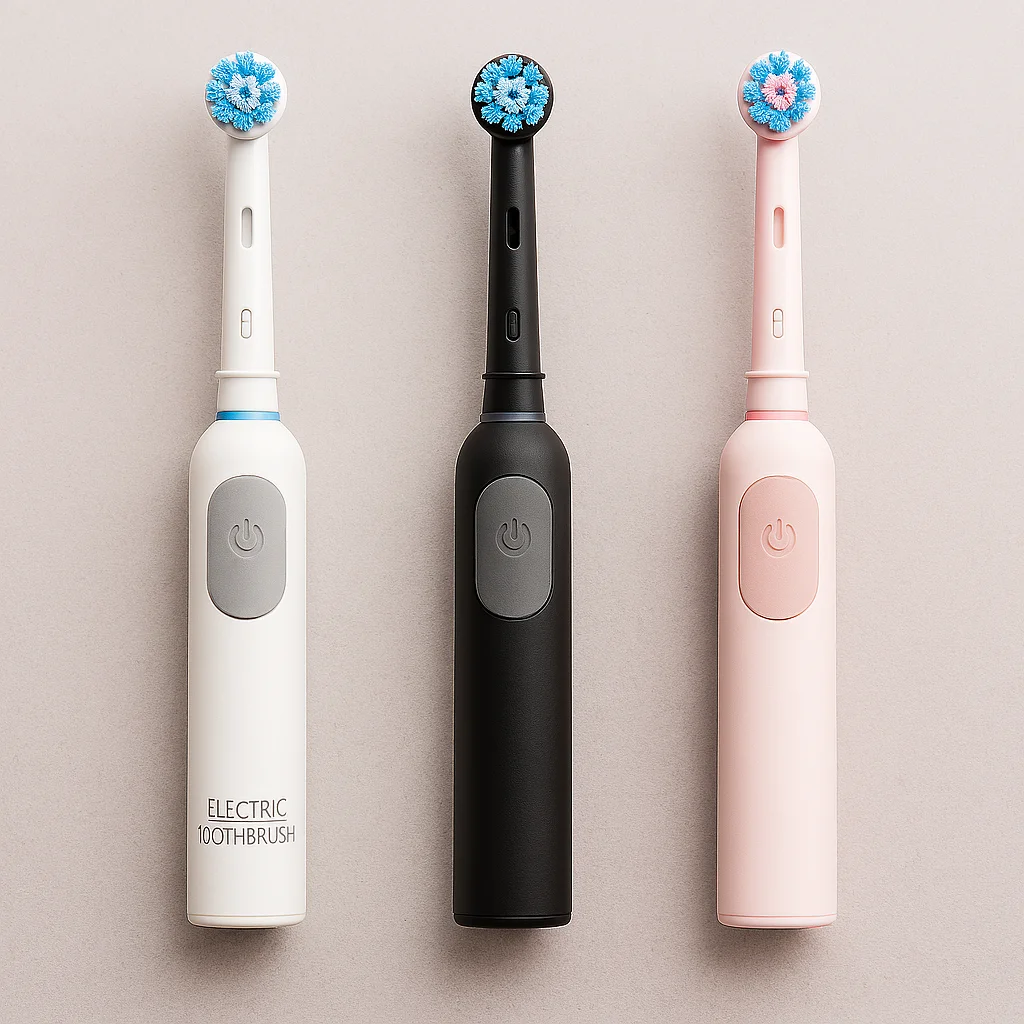
When it comes to keeping your teeth clean and your gums healthy, most of us stick to whatever toothbrush we’ve always used. But with electric toothbrushes becoming more affordable and more advanced, it’s natural to wonder whether they actually offer better results than a traditional manual brush. The good news is that both can keep your mouth healthy — but an electric toothbrush often makes the whole process easier, more effective, and a lot more consistent.
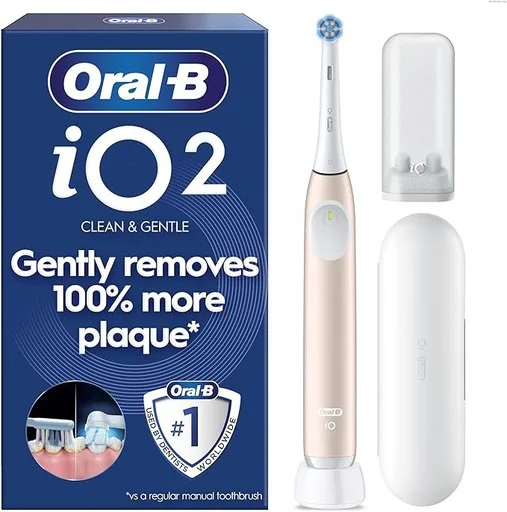
Electric toothbrushes, on the other hand, are designed to take the guesswork out of brushing. They do most of the work for you, using oscillating or sonic movements to remove plaque more effectively with far less effort. One of the biggest advantages is consistency: the brush head moves at a speed and pattern that’s almost impossible to replicate manually. This helps you clean more thoroughly, especially around the gumline and between teeth.
Another major benefit of electric toothbrushes is the built‑in two‑minute timer found on most models. Dentists recommend brushing for a full two minutes, but studies show that many people fall short without realising it. A toothbrush with a timer keeps you on track and often even guides you to switch quadrants, making sure your whole mouth gets equal attention. It’s a simple feature, but it genuinely improves brushing habits over time.
Pressure control is another area where electric toothbrushes shine. Many models include sensors that alert you if you’re brushing too hard — something that can cause gum recession or enamel wear when using a manual brush. This makes electric brushes especially helpful for people with sensitive gums or those who tend to scrub aggressively.
Electric toothbrushes also pair well with specialised brush heads. Whether you want deep cleaning, whitening, gum care, or a softer touch, you can choose a head that suits your needs. This level of personalisation is something manual brushes simply can’t match. And because the heads are replaceable, you can switch between them depending on your oral‑health goals.
That said, manual toothbrushes still have their place. They’re inexpensive, widely available, and perfectly capable of maintaining good oral health when used with proper technique. For some people — especially those who travel light or prefer simplicity — a manual brush is still a solid choice.
But for most people, an electric toothbrush offers a clear advantage. It’s easier to use, more effective at removing plaque, and packed with features that help you build better brushing habits. If you’re looking to improve your oral health with minimal effort, upgrading to an electric toothbrush is a smart, worthwhile step.